LEARN & PLAY
How long can dogs hold their pee? By age
How long dogs and puppies can hold their pee and poop by age, how often to take them out, and the signs that mean it is time to call your vet.
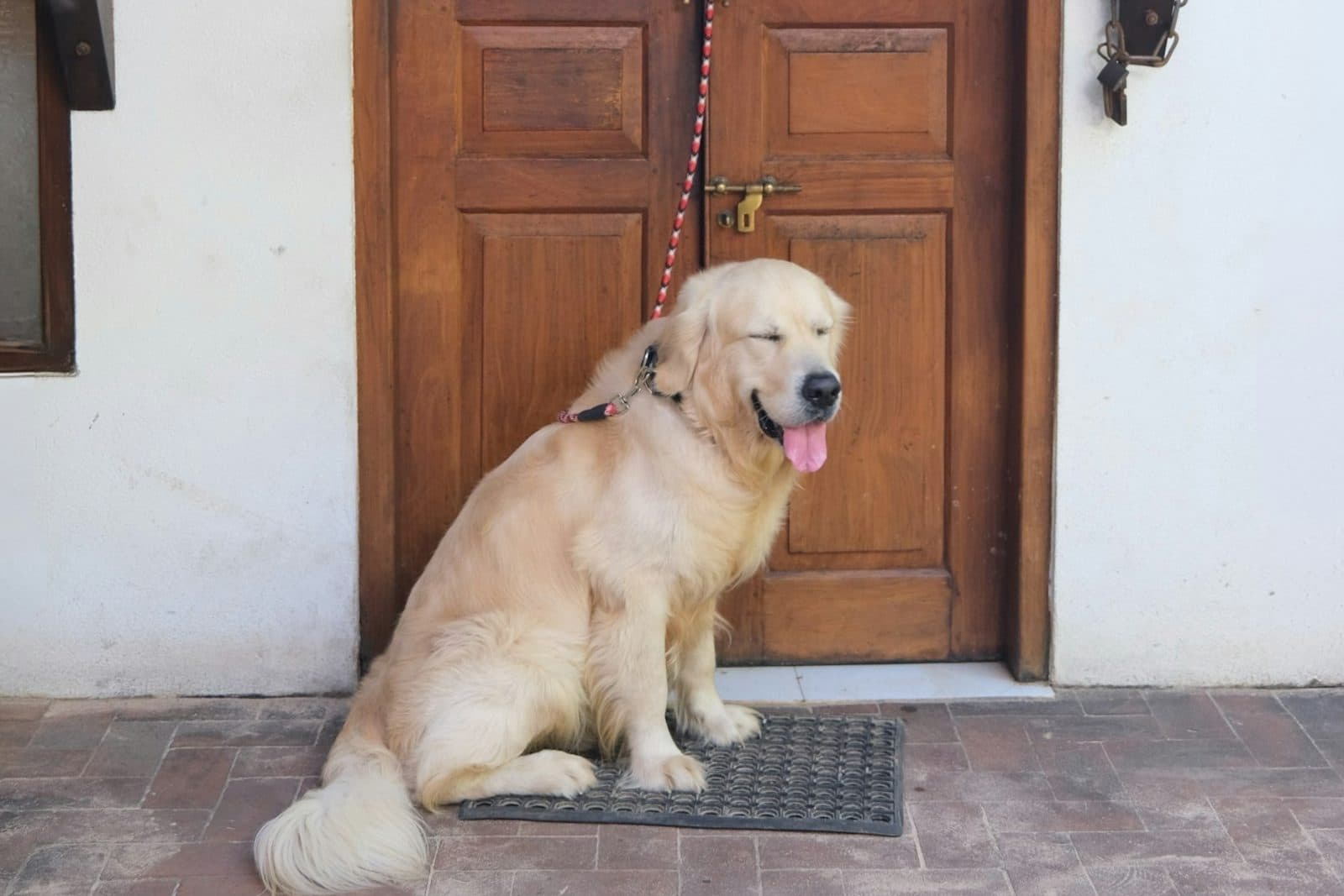
Most healthy adult dogs can hold their pee for about 6 to 8 hours, and sometimes longer while they sleep, but they are more comfortable with a chance to go out about every four hours during the day. Puppies can wait far less time: roughly one hour for each month of age, give or take an hour, and only about an hour at 8 to 10 weeks.
Those numbers are what a dog can manage, not what they should be asked to do every day. Every dog is a little different, so watch your own dog and build the day around what they actually need.
How long can dogs hold their pee?
A healthy adult dog can usually hold their bladder for about 6 to 8 hours, and many go longer overnight because they are resting. During the day, aim to give them a chance to go out about every four hours when you can.
What changes the number:
- Age. Puppies need to go much more often, and many older dogs do too.
- Activity. Dogs tend to need the toilet after exercise, play, and waking up.
- Food and water. A big drink or a meal usually means a toilet trip soon after.
- Health. Some medical conditions make a dog need to pee more often. If your dog's habits change, ask your vet.
| Dog | Typical longest wait | A comfortable daytime rhythm |
|---|---|---|
| Puppy | About one hour per month of age, give or take an hour | Every 1 to 2 hours while awake, plus after meals, naps, and play |
| Adult | About 6 to 8 hours, longer overnight | About every 4 hours |
| Older dog | Varies, and many need more breaks with age | Ask your vet what suits your dog |
How long can a puppy hold its pee?
Young puppies have small bladders and are still learning control, so they need to go out often. A common rule is one hour for each month of age, give or take an hour. A 3 month old puppy, for example, may wait about three to four hours when resting. Very young puppies need breaks much more often than that.
| Age | Longest stretch while resting |
|---|---|
| 8 to 10 weeks | About 1 hour |
| 10 to 12 weeks | About 2 hours |
| 3 months | About 3 to 4 hours |
| 4 months | About 4 hours, give or take an hour |
| 6 months | About 6 hours |
Treat these as upper limits, not goals. While your puppy is awake and busy, take them out every hour or two, and the youngest puppies about every hour. Even when they have been resting, offer a trip outside at least every four hours in the day.
Puppies usually need to go:
- straight after waking up, from the night or from a nap
- soon after eating or a big drink
- during and after energetic play
- whenever their activity changes, like coming in from the garden or getting out of the crate
Nights are a bit easier because a sleeping puppy can wait longer than an active one. Many young puppies still need a quiet trip outside in the night until they are a few months old, and some until about 5 months. For a full day plan, see the puppy potty training schedule.
How long can dogs hold their poop?
There is no firm number for poop the way there is for pee, because dogs go less often and at less regular times. Most adult dogs poop about once a day, and two or three times a day is still normal for many. A lot of dogs poop at around the same times each day, often within about half an hour of a meal or soon after waking up.
That pattern is what lets most healthy adult dogs wait through the night and between walks without trouble. Puppies are different. They eat more meals, so they poop several times a day, and they usually need to go within a few minutes to half an hour after eating.
A few things make poop timing easier to predict:
- Regular mealtimes. Feeding at the same times each day tends to set the timing of poops too.
- A walk after breakfast. Movement helps many dogs go, so a short walk after a meal often works well.
- Patience outside. Some dogs need to wander and sniff for a few minutes before they poop.
If your dog's usual pattern changes and does not settle back, or they strain without passing anything, call your vet.
Signs your dog needs to go out
Dogs do not all ask in the same way, and some never learn a clear signal. Common signs include:
- sniffing the floor and circling
- heading to the door or standing near it
- whining, pacing, or restlessness
- walking off to a quiet corner
- suddenly stopping play
When you see these, head outside calmly and go to the same spot each time. Praise and reward as your dog finishes, not before.
Planning the day around their bladder
Most problems happen when the day asks a dog to wait longer than they comfortably can. A few habits help:
- Go out first thing, last thing, and when you get home. These are the times your dog most needs it.
- Plan for long days. If you will be away longer than your dog can comfortably wait, arrange for a friend, neighbour, or dog walker to let them out.
- Do not crate past their limit. A crate should only be used for stretches your dog can manage. For longer absences, a puppy-proofed pen or small room is kinder. The crate training schedule has a chart by age.
- Expect more breaks in the early days. A new puppy or a newly adopted adult may need extra trips while they settle in.
When more than one person lets your dog out, it helps to know when they last went. In Paww, the people who care for your dog can share the daily routine and leave a quick note, such as the time of the last walk, so nobody has to guess.
When to talk to your vet
Toilet habits are one of the easiest ways to notice that something has changed. Call your vet if your dog:
- strains to pee and little or nothing comes out (call straight away)
- starts needing to pee much more often, or drinks much more than usual
- has accidents after being reliably house trained
- has blood in their pee or poop
- has not pooped when they normally would, or seems uncomfortable when they try
Your vet can tell you what is normal for your dog's age, size, and health.
For the rest of the day, see the puppy schedule by age and the puppy sleep schedule. For training ideas, visit the training page, or browse the breed profiles if you are still choosing a dog.
Common questions
Can a dog hold their pee for 12 hours?
That is far longer than a dog should be asked to wait. Many healthy adults can hold on for about 6 to 8 hours, a little longer while asleep, but aim for a chance to go out about every four hours in the day.
Can a dog hold their pee overnight?
Most healthy adult dogs can, because they need to go less while they sleep. Take them out last thing before bed and first thing in the morning.
How long can an 8 week old puppy hold its pee?
Usually only about an hour, and less when they are awake and playing. Take them out after every meal, nap, and play session.
Is it bad for a dog to hold their pee too long?
Regularly making a dog wait longer than is comfortable is unpleasant for them and leads to accidents. If you are worried about how often your dog goes, ask your vet.
Why does my puppy pee right after coming inside?
They were probably distracted outside and had not finished. Stay out a few minutes longer, wait quietly, and reward them when they go.