LEARN & PLAY
A puppy potty training schedule, by age
A simple puppy potty training schedule by age, with a sample day, what to do about accidents and setbacks, and how long it usually takes.
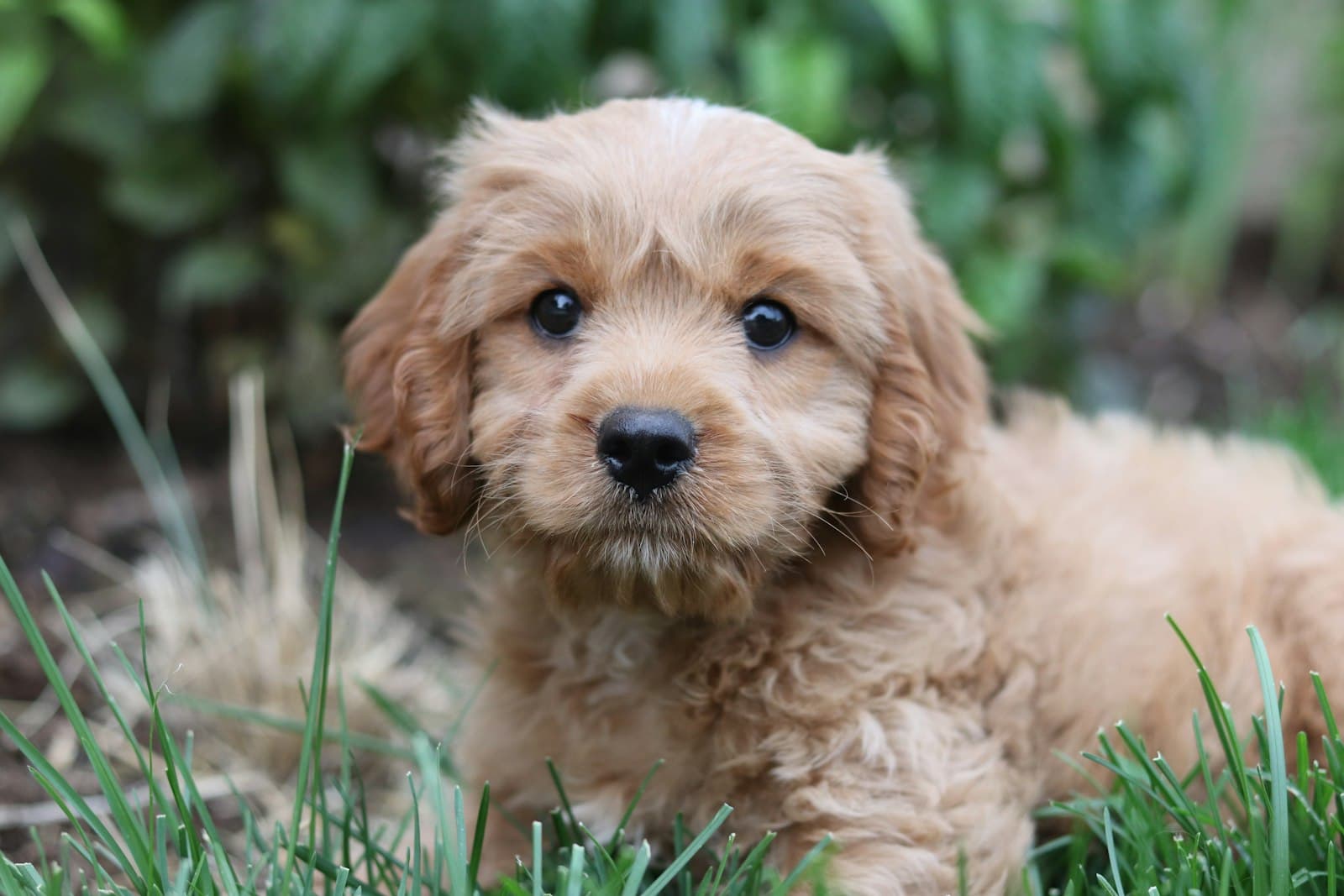
A good puppy potty training schedule takes your puppy outside first thing in the morning, after every meal, nap, and play session, and last thing at night, with extra trips in between. As a rough guide, a puppy can wait about one hour for each month of age, so a young puppy needs a trip every hour or two while awake.
That is a lot of trips, but the schedule does most of the teaching. Your puppy gets many chances to go in the right place, few chances to go in the wrong one, and a reward every time it works.
Puppy potty training schedule by age
How often your puppy needs to go out depends mostly on age. The common rule of thumb is one hour for each month of age, give or take an hour. Treat it as the longest you would plan to wait during the day, not a target to hit.
| Puppy's age | Plan a trip outside | Between scheduled trips |
|---|---|---|
| 8 to 10 weeks | Every 1 to 2 hours while awake | After every meal, drink, nap, and play session |
| 3 months | About every 3 hours | After meals, naps, and play |
| 4 months | About every 4 hours | After meals, naps, and play |
| 5 to 6 months | About every 5 to 6 hours at most | After meals and whenever your puppy asks |
Every puppy is different. If yours has accidents on this schedule, shorten the gap and build back up slowly. Stretch the time between trips a little at a time, only after a run of dry days.
A sample day for a young puppy
Here is what a day might look like for a puppy of 8 to 10 weeks. The clock times are only an example. Fit the order of events to your own mornings, mealtimes, and bedtime, and follow the feeding plan you've agreed with your vet.
| Time | What happens |
|---|---|
| 6:30 am | Wake up and go straight outside |
| 7:00 am | Breakfast, then outside again |
| 8:00 am | Play, then outside |
| 8:30 am | Nap. Outside as soon as your puppy wakes |
| 10:00 am to 12:00 pm | A trip every hour or two, and after each nap or game |
| 12:30 pm | Midday meal, then outside |
| 1:00 pm to 5:00 pm | A trip every hour or two, and after each nap or game |
| 5:30 pm | Dinner, then outside |
| 7:30 pm | Evening play, then outside |
| 10:00 pm | Last trip before bed |
| Overnight | A quiet trip if your puppy wakes and needs to go |
How to make each trip count
A schedule only works if the trips themselves are consistent.
- Go to the same spot. Dogs like to go where they have gone before, and the familiar smell becomes a cue.
- Use a lead and go with them. You need to be right there to reward the moment they finish. A puppy sent out alone gets rewarded for coming back inside, which is not the lesson.
- Wait quietly. Give your puppy a few minutes without play or chatter. Save the fun for afterwards.
- Reward right away. As soon as your puppy finishes, praise warmly and give a small treat, while you are still outside.
- Supervise indoors. When you can't watch closely, use a crate, pen, or small puppy-proofed area. Most dogs avoid soiling where they sleep.
Watch for the signs that your puppy is about to go: sniffing the floor, circling, or starting to squat. That's your signal to head for the door.
How long does puppy potty training take?
Expect anywhere from a few weeks to several months. Some puppies pick up the routine quickly, while others need longer, and the occasional accident along the way is normal.
Nights take their own time. Many young puppies need a trip during the night at first, and that fades over the following months.
Give more freedom in the house gradually. Wait for several weeks in a row with no accidents, then open up one more room at a time.
How to handle accidents
Accidents usually mean the gap was too long or nobody was watching at the key moment.
If you catch your puppy mid-accident, interrupt calmly and take them straight outside to finish, then reward them there. If you find it afterwards, just clean it up. Punishment doesn't teach a puppy where to go, and it can teach them to hide from you when they need to.
Clean indoor accidents thoroughly with an enzymatic cleaner made for pet messes, so the smell doesn't draw your puppy back to the same place.
Potty training regression in puppies
A puppy who was doing well and then starts having accidents again is common, and usually temporary. The usual causes are everyday ones:
- More freedom in the house than they were ready for.
- Longer gaps between trips, or less supervision.
- A change in routine, such as a move, visitors, or a new schedule at home.
- Rewards that stopped too soon.
The fix is to go back a step. Return to the schedule that last worked, supervise closely, reward every success outdoors, and rebuild from there.
Health problems can also cause accidents. If a puppy who was reliably clean suddenly starts having accidents, goes far more often than usual, or seems uncomfortable, ask your vet to check for a medical cause before treating it as a training issue.
How to get a dog to poop outside
Some puppies learn to pee outside quickly but save the rest for indoors. A few things help:
- Go out after meals. Puppies often need to poop soon after eating, so regular mealtimes make this easier to predict.
- Stay out a little longer. Don't head back in the moment your puppy has peed. Wait a few more minutes.
- Let them move. Many dogs need to walk and sniff around before they can go. Slow laps of the same area on a lead work well.
- Keep it calm. A puppy who has been told off for accidents may avoid going in front of people. Stand quietly and look away.
- Try again shortly. If nothing happens, come inside, keep your puppy right beside you or in their crate for a short while, then head back out.
Keep everyone on the same schedule
Potty training goes faster when every person in the house follows the same routine and uses the same spot, cue, and reward. A shared note of when your puppy last went out, and what happened, saves a lot of guessing. In Paww, the people who care for your puppy can share the daily routine and leave a quick update for whoever is next.
For more on keeping practice kind and consistent, read small training moments and sharing your dog's routine, or visit the training page. Still choosing a dog? Browse the breed profiles.
Common questions
How often should I take my puppy out to pee?
Every hour or two while awake for a puppy of 8 to 10 weeks, plus after every meal, nap, and play session. Lengthen the gap gradually as your puppy grows.
Should I wake my puppy at night to go out?
Many young puppies need a night trip at first. Keep it quiet and boring: out, praise, and straight back to bed. Ask your vet if you're unsure what suits your puppy.
Should I punish my puppy for accidents?
No. Punishment doesn't teach a puppy where to go and can make them wary of going in front of you. Interrupt calmly, take them outside, and reward them there.
Can I use puppy pads?
You can, but your puppy will later need to learn to switch from pads to going outside. If you can take your puppy out often from the start, you may not need them.
Why is my potty-trained puppy having accidents again?
Usually because of more freedom, longer gaps, or a change in routine. Go back to the schedule that last worked. If the change is sudden or your puppy seems unwell, ask your vet.