LEARN & PLAY
Best apartment dogs: 12 calm breeds for small homes
The best apartment dogs are calm, quiet and adaptable, from French Bulldogs to retired Greyhounds, plus small dogs that don't shed and breeds to avoid.
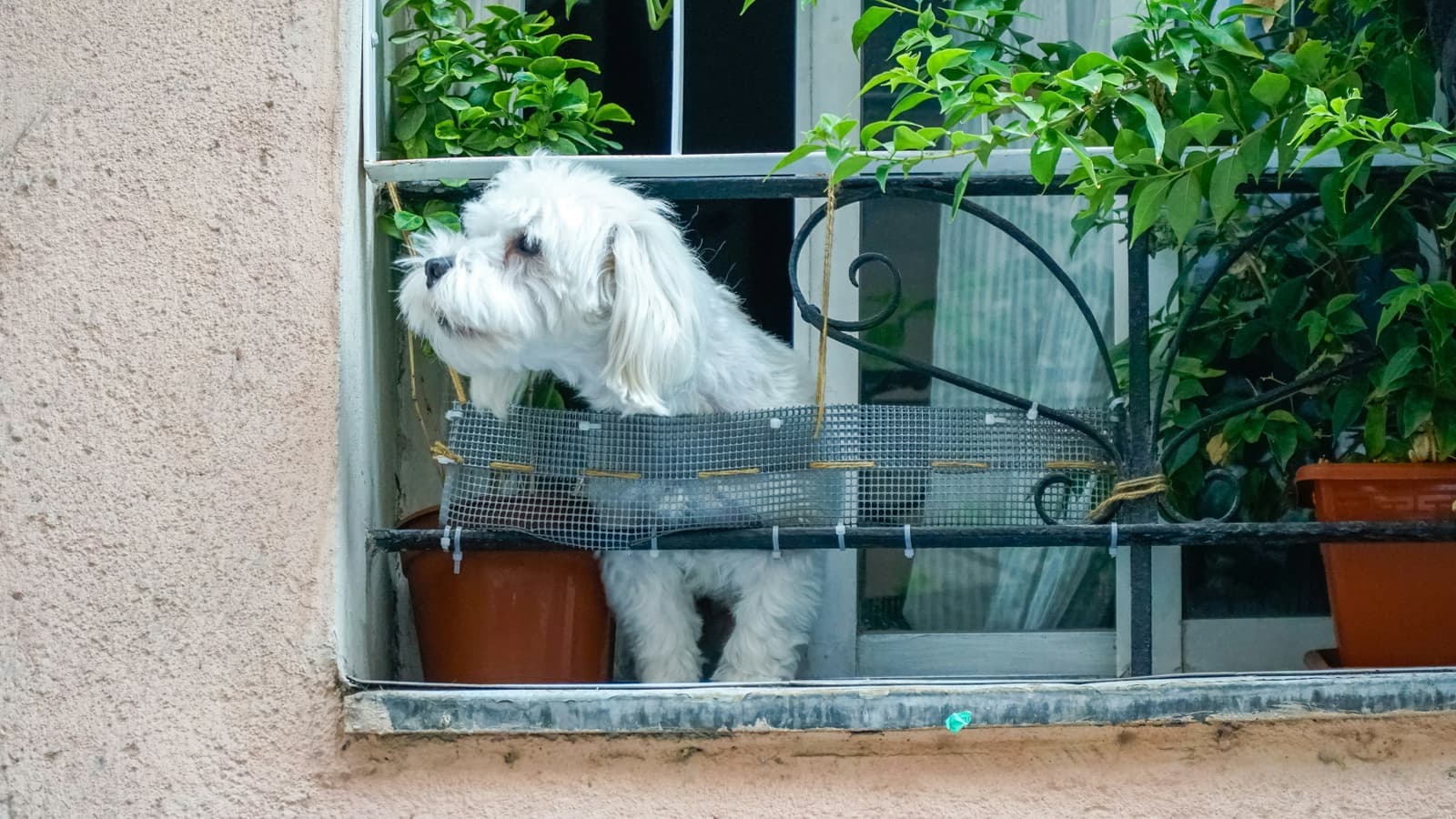
The best apartment dogs are calm indoors, rarely bark, and are happy with a couple of good walks a day, like the French Bulldog, Cavalier King Charles Spaniel, Shih Tzu, Havanese, and a retired racing Greyhound. Size matters less than you might think: energy, noise, and how well a dog copes alone decide whether apartment life works.
Every dog is an individual, so treat breed as a starting point. A settled adult dog from a rescue, whose habits at home are already known, can be the easiest apartment dog of all.
What makes a good apartment dog?
Look past the floor plan and think about how your building works day to day:
- Calm at home. A dog that settles easily between walks is happier in a small space.
- Not a big barker. Walls and floors carry sound, to you and your neighbors.
- Polite in shared spaces. Lifts, stairwells, and lobbies mean meeting people and dogs at close range.
- Easy to get outside. Every dog needs to go out to toilet, sniff, and exercise, day and night, and a puppy in house training often needs to go at short notice.
- Fine with stairs or the lift. Think about whether your dog could manage the stairs as they age, and whether you could carry them.
- Comfortable alone for a few hours. An unhappy dog is often a noisy one.
Before you choose, check your lease or building rules for pet limits, and find out where dogs are allowed to toilet near your home.
The best apartment dogs
| Breed | Size | Exercise | Barking | Good to know |
|---|---|---|---|---|
| French Bulldog | Small | Low | Rarely barks | Struggles in heat, so walk in the cool of the day |
| Cavalier King Charles Spaniel | Small | Moderate | Not a big barker | Content on the sofa after a daily walk and play |
| Shih Tzu | Small | Low | Varies by dog | Short walks and indoor play are usually enough |
| Havanese | Small | Moderate | Barks for a reason | Low shedding, but dislikes long hours alone |
| Bichon Frise | Small | Moderate | Varies by dog | Low shedding, can be slow to house train |
| Maltese | Small | Low to moderate | Alert watchdog | Low shedding, happy with walks and indoor play |
| Boston Terrier | Small | Moderate | Varies by dog | A natural city dog that loves company |
| Pug | Small | Moderate | Barks mainly to alert | Snores, sheds a lot, and dislikes heat |
| Italian Greyhound | Small | Moderate | Varies by dog | Feels the cold and dislikes rainy walks |
| Basset Hound | Medium | Low | Can be loud | Relaxed indoors, but has a big voice |
| Whippet | Medium | Moderate to high | Rarely barks | Calm indoors once it has had a good run |
| Greyhound | Large | Moderate | Quiet | A gentle, sleepy housemate who needs safe places to sprint |
A few notes on the list:
- French Bulldog and Pug. Classic city companions with modest exercise needs. Their short faces make heat and hard exercise risky, so walk early or late on warm days and ask your vet what suits your dog.
- Small companion breeds. The Cavalier, Shih Tzu, Havanese, Bichon Frise, and Maltese were bred to live close to their people, which is also why many find long days alone hard.
- Basset Hound. Very calm at home, with an easy daily walk usually enough. Bassets can bark and bay loudly, so meet the individual dog first.
Big dogs that do well in apartments
Large does not have to mean unsuitable. The best known example is the retired racing Greyhound: usually quiet, gentle, and sleepy at home, and needing less exercise than most people expect. What they do need is a regular run in a securely fenced area, since their urge to chase means a lead everywhere else. A retired racer may be new to stairs and household life, so give them time to learn.
The Whippet is a smaller version of the same idea, calm indoors after real daily exercise. Both have thin coats and feel the cold.
Calm dog breeds
If a peaceful home is the priority, look for breeds that settle easily and are not known for barking:
- Greyhound and Whippet, once exercised
- Cavalier King Charles Spaniel
- French Bulldog
- Basset Hound, if you can live with the occasional howl
- Shih Tzu
Puppies of every breed are busy, and even the calmest adult needs daily walks, play, and things to sniff and chew.
Small dogs that don't shed
No dog is truly non-shedding, and no dog is completely free of allergens. Some small breeds simply drop very little hair around the home:
- Bichon Frise
- Maltese
- Havanese
- Shih Tzu
- Coton de Tulear
- Miniature Poodle and Toy Poodle
- Miniature Schnauzer
- Yorkshire Terrier
- Chinese Crested
Less hair on the floor usually means more grooming, with regular brushing and trims to stop mats. Poodles, Miniature Schnauzers, and Yorkshire Terriers can also be vocal. If allergies are the reason you are looking, spend real time with the breed before you commit.
Breeds to think twice about
Some wonderful dogs find apartment life hard because they need hours of activity, a job to do, or room to roam:
- Border Collie and Australian Shepherd: need far more than a walk, plus mental work every day.
- Siberian Husky: loves to run, sheds heavily, and does not enjoy being left alone.
- Beagle: a vocal hound that can bark and howl when lonely or bored.
- Parson Russell Terrier: bright, bold, and full of energy.
These breeds can live in apartments with very active owners, but they need a real plan for exercise and company.
Tips for living with a dog in an apartment
- Keep a steady routine. Regular walks and toilet breaks at the same times each day help prevent accidents. The potty training schedule helps with puppies, and how long dogs can hold their pee helps you plan the gaps.
- Practice time alone. Build up from a few minutes so your dog learns to settle when you leave. A dog walker or friend can break up a long day.
- Make shared spaces easy. Practice the lift and stairs calmly, and teach a sit while people pass.
- Secure windows and balconies. Keep windows that open wide shut or guarded, and block off any balcony that is not fully safe.
- Give your dog a job. Food puzzles, sniffing games, and short training sessions tire a dog out without much space.
If several people share the walks, a shared routine stops a missed toilet break or a double breakfast. Paww keeps your dog's walks, meals, and notes in one place everyone can see.
New to dogs? The best dogs for first time owners and the 3-3-3 rule guides help with choosing and settling in.
Common questions
What is the best dog for a small apartment?
Quiet, adaptable small breeds like the French Bulldog, Cavalier King Charles Spaniel, Shih Tzu, and Havanese are popular choices. A calm adult rescue dog is another good option.
Can a big dog live in an apartment?
Yes, if the dog is calm indoors and gets enough exercise outside. Retired racing Greyhounds are a well known example.
What is the quietest apartment dog?
Greyhounds, Whippets, and French Bulldogs rarely bark. Every dog is different, so ask the breeder or rescue how vocal a particular dog is at home.
Are small dogs better for apartments?
Not always. Some small dogs are very active or vocal, while some large dogs are happy to sleep most of the day.
Is a puppy a good idea in an apartment?
It can work, but house training is harder when the door to outside is a lift ride away. Plan for frequent trips out and someone home during the first weeks.
Is there a hypoallergenic apartment dog?
No dog is completely hypoallergenic. Low shedding breeds like the Bichon Frise, Maltese, and Poodle may suit some people with allergies, so spend time with the breed first.