LEARN & PLAY
Best dogs for first time owners: 10 good starter breeds
The best dogs for first time owners, from gentle small breeds to calm sighthounds, plus low maintenance and easy to train picks, and breeds to wait on.
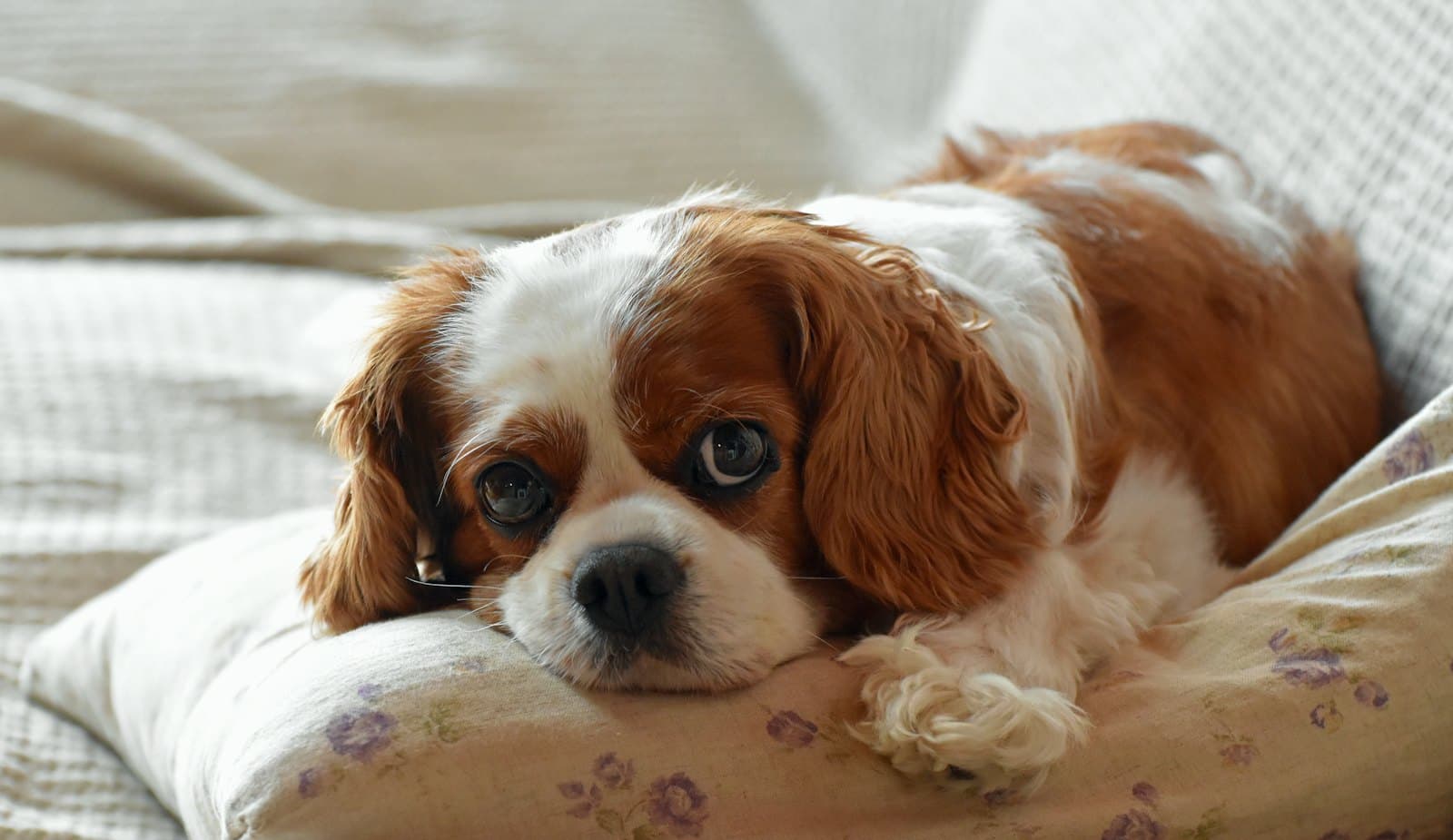
The best dogs for first time owners are friendly, forgiving, and happy with a moderate amount of exercise, like the Cavalier King Charles Spaniel, Bichon Frise, Havanese, Miniature Poodle, and a retired racing Greyhound. Labrador and Golden Retrievers are also easy to train and great with people, as long as you have time for a very active dog.
Breed is only a starting point. Every dog is an individual, and a calm adult dog from a rescue, of any breed or mix, can be an easier first dog than any puppy.
What makes a dog good for first time owners?
The easiest dog for you is the one whose needs fit the time and energy you actually have. These traits make life simpler for a beginner:
- A friendly, gentle nature. Dogs that are sociable with people and other dogs forgive the small mistakes every new owner makes.
- Keen to work with you. A dog that enjoys learning makes everyday training feel rewarding instead of a battle.
- Exercise you can keep up with. A dog that needs hours of running every day will struggle with a busy owner, however much they love each other.
- Grooming you are happy to do. Some low shedding coats need brushing most days and regular trims, so "less hair on the sofa" can mean more grooming time.
- A size that suits your home. Think about stairs, your car, and whether you could lift your dog if you had to.
Also think about how long your dog would be alone. Many dogs, including several breeds below, don't cope well with being left for long stretches. If you work long days away from home, plan for a dog walker, a friend, or daycare.
The best dogs for first time owners
| Breed | Size | Exercise | Grooming | Why it suits beginners |
|---|---|---|---|---|
| Cavalier King Charles Spaniel | Small | Moderate | Brush a few times a week | Gentle, affectionate, and keen to please |
| Labrador Retriever | Large | High | Weekly brush, sheds a lot | Very friendly and one of the easiest to train |
| Golden Retriever | Large | High | Brush a few times a week, sheds a lot | Patient, sociable, and quick to learn |
| Miniature Poodle | Small | Moderate to high | Frequent grooming, low shedding | Very clever and easy to train |
| Bichon Frise | Small | Moderate | Daily brushing, low shedding | Cheerful and quick to learn tricks |
| Havanese | Small | Moderate | Daily brushing, low shedding | Eager to please and sociable |
| Shih Tzu | Small | Low to moderate | Daily brushing, low shedding | Happy with short walks and indoor play |
| Greyhound | Large | Moderate | Weekly brush | Calm and quiet at home |
| Whippet | Small to medium | Moderate | Weekly brush | Relaxed indoors, gentle with family |
| Border Terrier | Small | Moderate | Brush a few times a week | Good-tempered, sturdy, and affectionate |
A few notes on each:
- Cavalier King Charles Spaniel. An affectionate companion, as happy on a long walk as on the sofa. Cavaliers like to chase, so keep them on a lead away from secure areas.
- Labrador and Golden Retriever. Wonderful first dogs for active people. Without plenty of daily exercise and things to do, they can get bored and destructive, and both shed a lot.
- Miniature Poodle. Bright and quick to pick things up, with a coat that sheds very little but needs regular clipping and brushing.
- Bichon Frise and Havanese. Small, merry, low shedding dogs that want to be with their family. Bichons are easy to train in most things but can be slow to house train, so be patient.
- Shih Tzu. A real lap dog with modest exercise needs. Their short faces make them sensitive to heat, so ask the breeder about the parents' health checks.
- Greyhound and Whippet. Despite their speed, both are usually calm and gentle at home and enjoy long naps. They have a strong urge to chase, so keep them on a lead unless they are in a securely fenced space.
- Border Terrier. A small, hardy dog with a sense of humour. Like most terriers, they think for themselves and like to chase small animals, so gentle, reward-based training works best.
Low maintenance dogs
No dog is truly low maintenance. Every dog needs daily company, exercise, training, and care. Some breeds just ask for less in one area:
- Lower exercise: Shih Tzu, Cavalier King Charles Spaniel, and Greyhound. A retired racing Greyhound is often happy with a couple of short walks a day and a soft bed for the rest.
- Easy coats: Greyhound, Whippet, and Labrador have short coats that need only a weekly brush, though Labradors shed a lot.
If grooming worries you, be wary of "low maintenance" lists that put Bichons, Havanese, Shih Tzus, and Poodles in the same breath as easy care. Their coats shed little but need daily brushing and regular professional trims. And if allergies are the reason you are looking, no dog is completely allergy-free, so spend time with the breed before you commit.
Easiest dogs to train
The breeds that tend to learn fastest are ones bred to work closely with people:
- Labrador Retriever and Golden Retriever
- Miniature Poodle
- Papillon, one of the most trainable toy dogs
- Cavalier King Charles Spaniel and Havanese
Easy to train doesn't mean trained. Every dog needs short, regular, reward-based practice from the first day, and clever dogs can learn bad habits as quickly as good ones. The training page has simple ways to start.
Breeds to think twice about
Some wonderful breeds are a lot for a first dog because they need hours of physical and mental work every day, or have strong instincts to herd, chase, or roam:
- Border Collie: needs far more than a daily walk, plus a job to do.
- Siberian Husky: loves to run, sheds heavily, and is not happy left alone all day.
- Belgian Malinois: needs constant training and activity.
- Parson Russell Terrier and similar terriers: high energy, bold, and easily bored.
If you love one of these breeds and have the time, it can still work. Talk to experienced owners first and meet adult dogs of the breed.
Choosing your first dog
- Meet the dog. An adult dog's personality is already on show, which is a big advantage for a first-time owner. Ask a rescue to match you with a dog that suits your home.
- Choose a responsible breeder if you want a puppy. Meet the mother, ask about health tests for both parents, and walk away from anyone selling puppies through third parties.
- Ask your vet about the typical health needs of any breed you are considering.
- Get ready before day one. The shopping list and 3-3-3 rule guide help with the first weeks, and the puppy schedule by age helps if you choose a puppy.
A new dog comes with a lot to remember, like vaccinations, food, and who walked them last. Paww keeps your dog's routine, records, and notes in one place you can share with everyone who helps.
Common questions
What is the easiest dog for a first time owner?
There is no single answer, but gentle, adaptable breeds like the Cavalier King Charles Spaniel, Havanese, and Bichon Frise are often easiest to live with. A calm adult rescue dog is another great choice.
Should a first time owner get a puppy or an adult dog?
Either can work. Puppies need a lot of time for house training and supervision, while an adult dog's size, energy, and personality are already known.
What is the best small dog for a first time owner?
The Cavalier King Charles Spaniel, Bichon Frise, Havanese, Miniature Poodle, and Border Terrier are all popular, friendly choices.
Are Labradors good for first time owners?
Yes, if you are active. Labradors are friendly and easy to train, but they need a lot of exercise every day.
Is there a hypoallergenic dog?
No dog is completely allergy-free. Some low shedding breeds may suit some people with allergies better, so spend time with the breed first.
What dogs can be left alone the longest?
No dog should be left alone for a full working day without a break. Some breeds, like the Bichon Frise, Havanese, and Siberian Husky, find time alone especially hard.