LEARN & PLAY
The 3-3-3 rule for dogs: days, weeks, months
What the 3-3-3 rule for dogs means, what to expect in the first 3 days, 3 weeks and 3 months, and how to introduce a new dog to your dog.
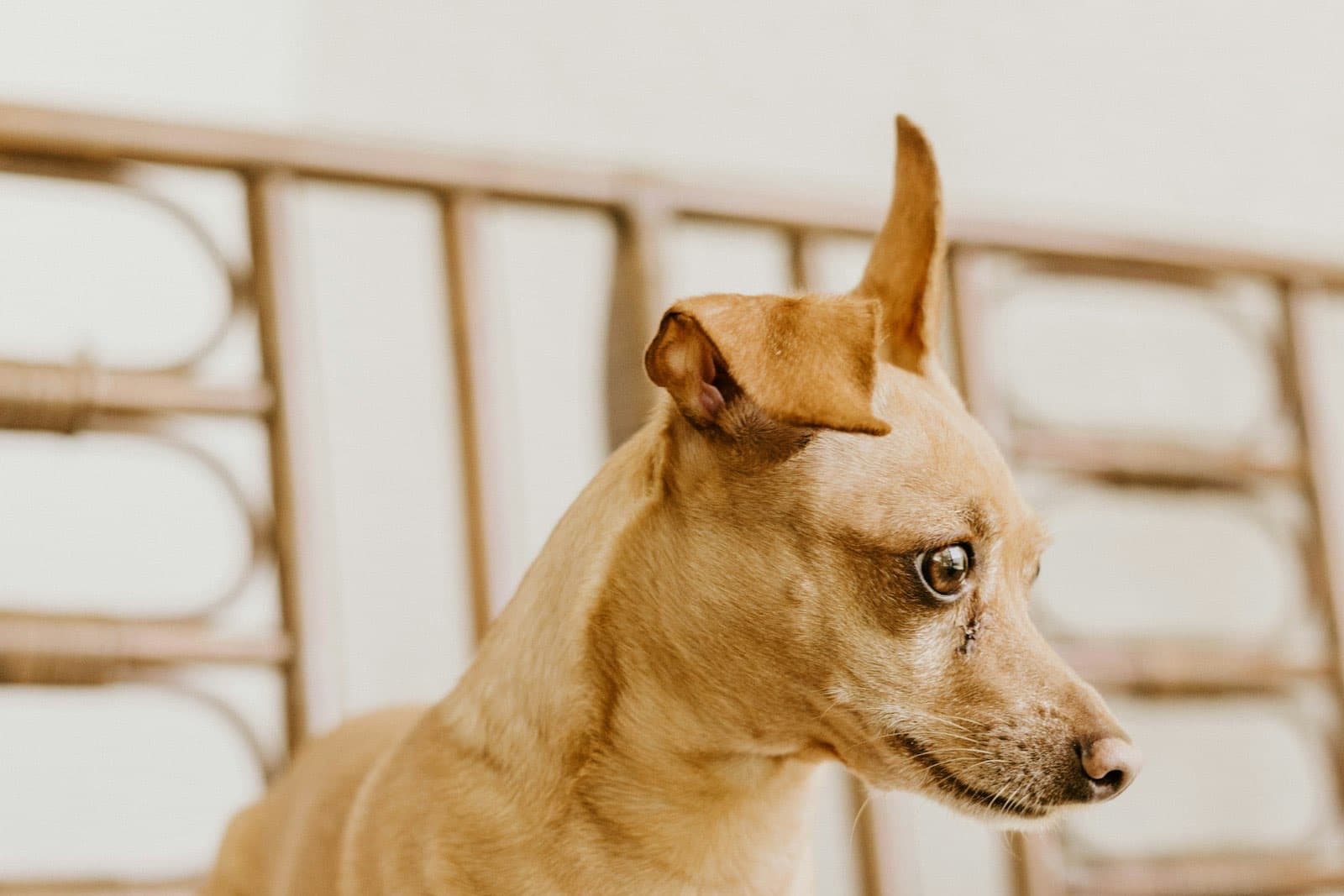
The 3-3-3 rule for dogs is a rough guide to how a newly adopted dog settles in: about three days to get over the move, about three weeks to learn your routine, and about three months to feel truly at home. It is a way to set your expectations, not a deadline, and many dogs move faster or slower than that.
What the rule gets right is the order of things. A new dog needs quiet first, then routine, then gradual new experiences. Go at the pace your dog shows you, and the bond tends to follow.
What is the 3-3-3 rule for dogs?
The rule splits the first months with a new dog into three stages:
| Stage | What your dog is doing | What helps most |
|---|---|---|
| First 3 days | Getting over the move and taking everything in | Quiet, space, and a calm safe spot |
| First 3 weeks | Learning the routine and starting to relax | A steady daily routine and gentle, reward-based training |
| First 3 months | Building trust and confidence | Slowly widening their world and keeping training fun |
It is most often used for rescue dogs, but any dog moving to a new home goes through some version of it. Keep the numbers loose: some dogs act at home from day one, while others take several months, or longer, to fully relax.
The first 3 days: let them decompress
Everything is new: the smells, the sounds, the people, and the rules. Your dog may hide, sleep a lot, avoid eye contact, seem flat, or not want to eat much. Others are restless and can't settle. All of this is common in the first few days.
How to help:
- Keep their world small. One or two quiet rooms is plenty to start with. Open up the rest of the home bit by bit.
- Set up a safe spot. A bed, a crate with the door open, or a corner of a quiet room where nobody disturbs them. Don't force a crate if your dog can't relax in it.
- Let them come to you. Sit nearby, talk softly, and let your dog choose when to say hello. Avoid hugging, leaning over them, or crowding them.
- Hold off on visitors. Friends and neighbours can wait a little while.
- Keep the lead on outside. Your new dog doesn't know you or your area yet, and a frightened dog may bolt. Keep them on a lead, or a long line in a safe space, until you have built a reliable recall.
If your dog is eating very little and it doesn't improve over the first few days, or they seem unwell, call your vet.
The first 3 weeks: build a routine
Once the first shock wears off, most dogs start to explore and show their real personality. Some new habits may appear, like barking or chewing, because your dog now feels comfortable enough to be themselves.
How to help:
- Keep the day predictable. Meals, walks, toilet breaks, and bedtime at roughly the same times. Dogs care most about the order of events, so a steady pattern matters more than exact times.
- Treat them as new to house training. Even a dog who was clean in their last home doesn't know your door or your routine yet. Take them out often and praise them when they go. The guide to how long dogs can hold their pee has a sensible rhythm.
- Start short, positive training. A few minutes at a time, with treats and praise. Name, sit, and coming when called are good first steps. The training page has more ideas.
- Agree on house rules. Everyone in the home should use the same words and allow the same things.
If several people look after your new dog, it helps to keep the routine in one place. In Paww, your dog's people can share the daily routine and leave a quick note, like when the last walk was. For more on splitting care, see one dog, two calendars.
The first 3 months: grow trust
By now your dog knows the routine and is starting to trust you. Keep training and slowly widen their world: new walking routes, short car rides, and new people at a pace your dog is happy with.
A relaxed dog takes treats, sniffs around, and has a loose body. A dog who stops taking treats, freezes, or tries to leave is telling you it's too much, so step back and try again more gently another day. If behaviour that worries you is getting worse, or your dog's appetite, energy, or toilet habits change, speak to your vet.
Bringing home a rescue dog
Before your dog arrives, set up a quiet resting area with a bed, water and food bowls, some of the food they have been eating, a well-fitting harness or collar with an ID tag, a lead, and baby gates to close off rooms. Book a vet check-up for the first weeks.
On the day, go straight out to the toilet spot, then show them their resting area and let them explore at their own pace. If you plan to change their food, do it gradually, and ask your vet if you are unsure.
How to introduce a new dog to your dog
If you already have a dog, the first meeting sets the tone. Take it slowly.
- Meet on neutral ground. Choose a quiet outdoor place that neither dog thinks of as theirs. Avoid your garden, your street, and busy dog parks.
- One person per dog. Keep both dogs on loose leads held by different people.
- Walk side by side first. Start far enough apart that both dogs stay relaxed, and walk in the same direction. Reward calm glances. Let the dogs get closer only while they stay loose and easy.
- Keep the first hello short. Allow a brief sniff, then walk on together. Avoid a face-to-face approach.
- Walk home together. Bringing both dogs into the house at the same time is easier than the new dog arriving on its own.
At home:
- Give each dog their own space. Separate beds, water, and somewhere to rest away from the other.
- Feed them apart. Feed in different rooms, and keep toys, chews, and treats put away until you know neither dog guards them.
- Supervise every meeting at first. Keep sessions short and give breaks if either dog gets overexcited.
- Don't leave them alone together until you are sure they get along.
A quick stare, a lifted lip, or a short growl is a normal way for a dog to say "that's enough". If the other dog backs off, that's fine. Stop the session and separate them calmly if you see stiff bodies, long hard stares you can't interrupt, raised hackles, lunging, or snapping. Then go back to an easier step.
Puppies can pester older dogs. Give your older dog plenty of quiet time away from the puppy, and some attention of their own. If the dogs aren't settling, ask a qualified reward-based trainer or behaviourist for help.
For a newly adopted dog who will use a crate, the crate training schedule shows how to make it a happy place. If you are still choosing, browse the breed profiles.
Common questions
Is the 3-3-3 rule accurate?
It is a helpful rough guide, not a rule every dog follows. Some dogs settle within days and others take many months.
How long does it take a rescue dog to settle in?
Often a few weeks to feel comfortable and a few months to feel fully at home, but every dog is different.
Is it normal for a new dog not to eat at first?
Yes, many new dogs eat less in the first few days. If it doesn't improve or they seem unwell, call your vet.
When can I let my rescue dog off the lead?
Only once they reliably come back when called, and start in a safe, enclosed space.
How long does it take two dogs to get along?
Some dogs are comfortable after a few short meetings. Others need days or weeks of slow, supervised time together.