LEARN & PLAY
Small moments. Very good dogs.
Make space for kind, consistent training in the day you already have, with a simple plan the whole household can share.
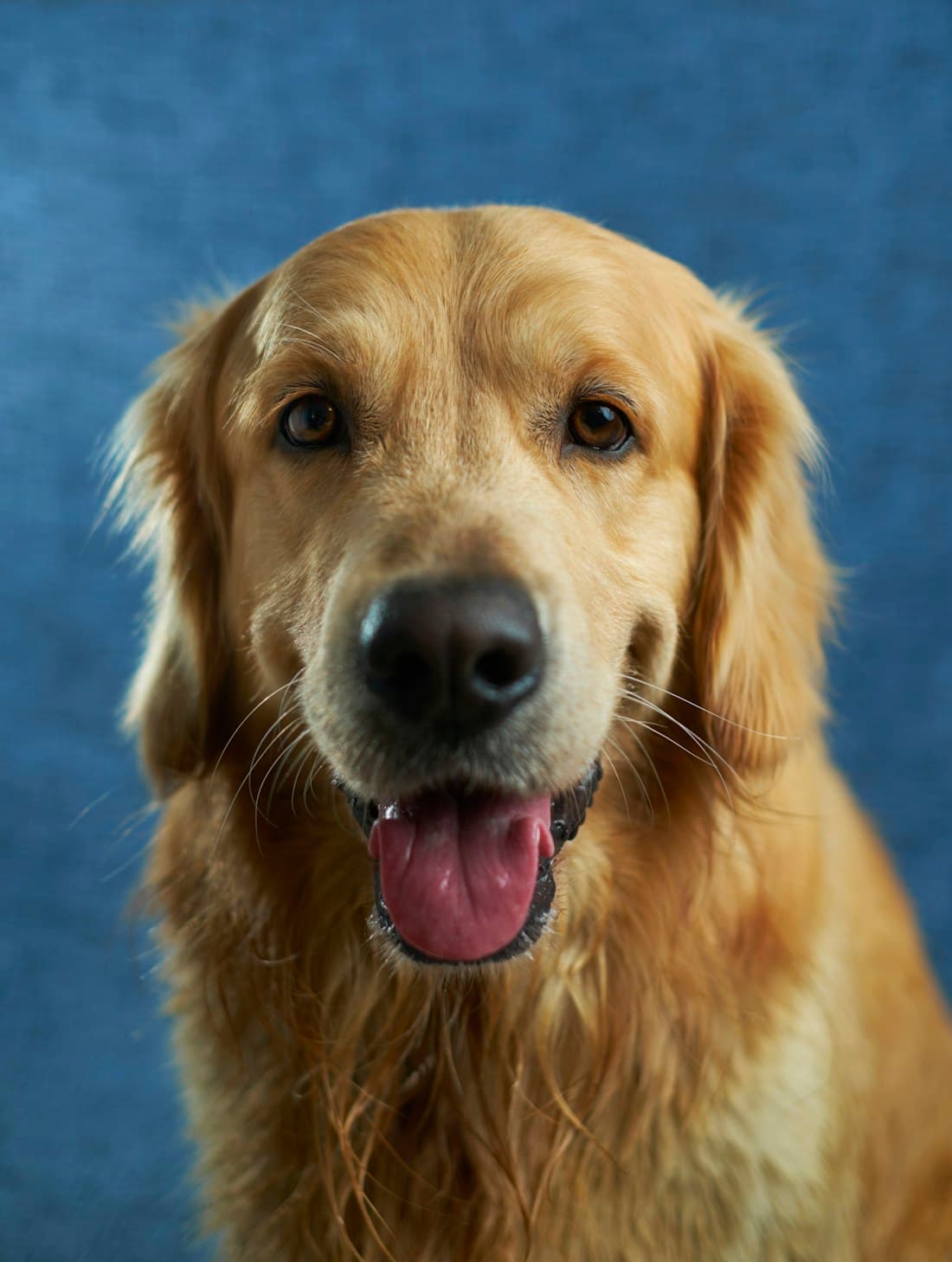
For everyday dog training, choose one small behavior, agree on a cue with your household, and practice in a familiar place with few distractions. Reward progress and keep a short note about what helped.
Training can sound like something you need to clear an afternoon for. But everyday life already contains opportunities to practice: getting ready to go outside, putting a toy away, or taking a quiet pause together.
The useful question isn't “How much can we teach today?” It's “What's one small thing we can practice kindly and consistently?”
Pick one useful thing
Choose a behavior that would make your shared day easier. Maybe you're already working on sitting before the lead goes on, or going to a familiar mat when everyone settles down.
Write down what the behavior looks like and the cue you'll use. Share that with anyone else who cares for your dog. One clear plan is easier to follow than several different approaches.
Keep your expectations specific and modest. You're practicing one step, not asking for a perfect performance in every setting.
Set up an easy moment
Start somewhere familiar with fewer distractions. Have the reward you intend to use ready before you begin. Depending on your dog and the situation, that might be a suitable treat, a favorite toy, or a chance to continue a game.
Follow any existing guidance on suitable food and portions. If you're unsure what works for your dog, ask a qualified professional who knows their needs.
Give yourself permission to stop after a small success. A brief practice that fits your day is easier to repeat than an ambitious session you keep putting off.
Notice what went well
Reward the behavior you're working toward, and make a note of what helped. Was the room quieter? Did the practice happen before the house got busy? Did everyone use the same cue?
These observations help you choose your next step. They also give the other people in your dog's life something practical to repeat.
Avoid turning a difficult attempt into a contest. If the moment isn't working, pause. Check the surroundings, simplify the task, and come back to it when you can both engage comfortably.
Keep a tiny progress note
You don't need a training spreadsheet. A few words are plenty:
- “Practiced settling on the mat in the living room.”
- “The doorbell was too distracting today.”
- “Let's repeat the quiet version tomorrow.”
Record the setting as well as the outcome. A behavior practiced in a quiet room is a different challenge from the same behavior at a busy park.
Ask for help when you need it
This is a general guide to making time for practice, not an individualized training plan. If you're unsure how to teach a behavior, or something feels unsafe or distressing, seek support from a qualified reward-based trainer. A veterinarian can help you decide whether a change in behavior needs a health assessment.
There's no prize for figuring everything out alone. The goal is a shared life that feels easier for you and your dog, one manageable moment at a time.